Replacing Your Old Deck
An aging deck isn't always a teardown, but new boards on a failing frame are money wasted. The right answer starts with an honest look underneath, and often ends with a deck that's safer, easier to care for and better suited to how you live now.
Is it time, or can it be saved?
Do the boards feel soft underfoot? Does the railing move when someone leans on it? Maybe the stairs bounce a little, or the kids keep getting splinters. You may be wondering whether a weekend of sanding and stain will do, or whether you’re looking at something bigger, and nobody wants to be sold more than they need.

The worry is a common one
Many San Antonio decks were built decades ago, before today’s codes, or with materials that didn’t hold up to our heat and storms. Homeowners often put off dealing with them because they aren’t sure who to trust for a straight answer.
An honest inspection makes the choice clear
What they find is that the decision gets simple once someone checks the frame. If the posts, beams and joists are sound, new decking and railings can give the deck a second life for much less than a new build. If the structure is rotting or undersized, a replacement is the safer and smarter investment. J.R. will tell you which, plainly.


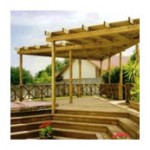
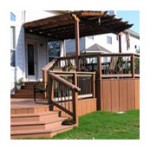
A replacement is also the moment to fix what never worked: switch to low-maintenance Trex composite, add a level or wider stairs, or put shade where you actually sit. Every new deck is framed for its load, attached properly to the house and built with code-compliant railings and stairs.
Not sure whether to repair or replace?
J.R. will come look and give you a straight answer.
More Questions About Replacing Your Old Deck
Are railings required on decks?
Railings are required on decks 30 inches or more above grade. We install code-compliant railings on all elevated decks. Even where not required, railings are often desirable for safety and aesthetics. Railing requirements include specific heights and baluster spacing.
What is the required railing height?
Residential deck railings must be at least 36 inches high (42 inches in some jurisdictions). Baluster spacing must prevent a 4-inch sphere from passing through, protecting children from slipping between spindles. We ensure all railings meet current code requirements.
How do you prevent deck collapse?
Deck collapses result from poor construction, not inherent weakness of decks. We prevent collapse through proper footing design, appropriate lumber sizing, correct ledger board attachment with proper hardware, adequate lateral bracing, and using approved metal connectors throughout. These aren't optional details—they're fundamental to safe construction.
How is the deck attached to the house?
Attached decks connect via a ledger board—a horizontal board fastened to the house's rim joist using heavy lag bolts or through-bolts. Proper flashing above the ledger prevents water intrusion. This connection is critical—improper ledger attachment is the most common cause of deck failures. We do this correctly.
What if there’s concern about my home’s structure?
We assess the attachment point during consultation. If we have concerns about your home's ability to support a ledger connection (unusual construction, potential rot, etc.), we discuss alternatives—potentially a freestanding deck or structural reinforcement. Safety comes first.
Is it better to repair or replace my old deck?
This depends on your existing deck's condition. If the substructure (posts, beams, joists, ledger) is sound, resurfacing with new decking can save money. If the structure is compromised by rot, insect damage, or poor original construction, replacement is safer and often more economical long-term. A site visit reveals the answer.
Ask the Right Questions
Can you replace my old wood deck with composite?
Yes, deck replacement is a significant portion of our work. In many cases, we can install new composite decking on an existing substructure if it's structurally sound. If the framing needs replacement, we handle that too. A site inspection determines the most cost-effective approach for your situation.
Do you offer deck resurfacing?
Yes, when the existing deck substructure is in good condition, resurfacing with new decking material is an economical option. We inspect the framing, joists, and ledger board to ensure they're sound before recommending resurfacing. This approach can save significantly compared to full replacement.
How do you protect against wood rot in humid climates?
We prevent rot through multiple strategies: proper drainage so water doesn't pool, adequate ventilation underneath the deck, appropriate ground clearance, rot-resistant materials (pressure-treated, cedar, or composite), and proper flashing at house connections. These details are built into every design.
How do you ensure deck structural safety?
Structural safety comes from following building codes, using proper engineering calculations for your specific design, selecting appropriate materials and hardware, and applying 35+ years of construction experience. We don't guess at structural requirements—we know what's needed for safe, long-lasting construction.
What size posts do you use for deck support?
Post sizing depends on load calculations: deck height, span, and supported area all factor in. Our decks use 4x4 posts or larger, as the job demands. Taller decks or those supporting heavy loads, like hot tubs, get larger posts. We size posts for your specific design's requirements.
How deep are deck footings?
Footing depth follows local code requirements, typically placing the bottom of footings below the frost line to prevent heaving. In our area, this usually means 12-18 inches deep, though specific requirements vary. Footings are also sized appropriately for the loads they'll carry.
How much weight can a deck hold?
Decks are engineered to meet code requirements for "live loads" (people, furniture, snow) and "dead loads" (the structure itself). Residential codes typically require 40 pounds per square foot live load capacity—enough for crowded parties. Hot tubs require additional structural consideration due to their concentrated weight.